Book Review:
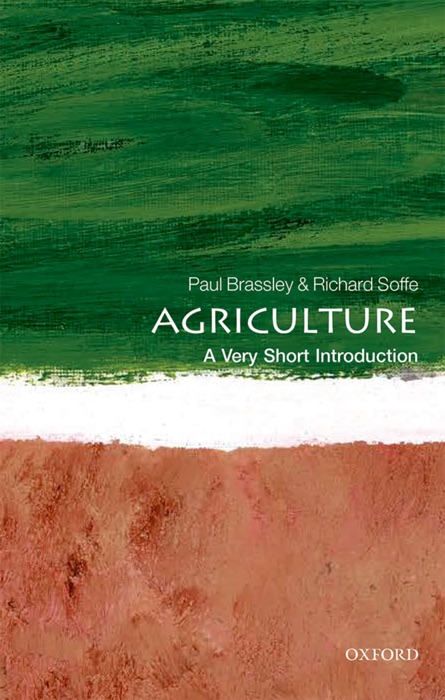
"Uncover the Secrets of Sustainable Farming with Paul Brassley's Groundbreaking Agriculture Book!"
This comprehensive book covers a wide range of topics related to agriculture, including history, economics, technology and sustainability. It is well-researched and provides valuable insights for anyone interested in the field.
What Is the Book About?
The Agriculture Book by Paul Brassley is a comprehensive guide to the history and development of agriculture. It explores how humans have used farming techniques to cultivate crops, raise livestock, and shape the landscape for thousands of years. The book covers topics such as early agricultural practices, advancements in technology, and modern-day farming methods.
Through engaging illustrations and easy-to-understand language, the book teaches readers about the importance of agriculture in sustaining human life and shaping societies around the world. It also highlights current challenges facing farmers, such as climate change and food security issues. Ultimately, The Agriculture Book emphasizes the crucial role that agriculture plays in our daily lives and encourages readers to think critically about its impact on our planet.
What Makes This Book Different?
The first thing that sets this book apart from others in the same category is its comprehensive coverage of agricultural practices. Author Paul Brassley delves into not just the basics of farming, but also explores advanced techniques and technologies used in modern agriculture. This makes the book a valuable resource for both beginners and experienced farmers alike.
Another standout aspect of this book is its focus on sustainability and environmental impact in agriculture. While many books on farming may mention these topics briefly, Brassley devotes an entire section to discussing sustainable practices and their importance in today's world. He also provides practical tips and strategies for implementing environmentally-friendly methods on farms, making this book relevant to current global concerns about climate change.
Lastly, what makes this book truly stand out is its engaging writing style. The author uses real-world examples and anecdotes to illustrate concepts, making it easier for readers to understand complex ideas. Additionally, the inclusion of colorful illustrations throughout the book adds visual interest and helps break up dense information into more digestible chunks. Overall, Agriculture Book by Paul Brassley stands out as a well-rounded guide that covers all aspects of farming while emphasizing sustainability and accessibility through its engaging approach.
Writing Style & Pacing
The Agriculture Book by Paul Brassley is written in a clear and concise manner, making it easily accessible to readers of all levels. The tone of the book is informative and educational, with an emphasis on providing practical knowledge about agriculture. Each chapter delves into a specific aspect of agriculture, from plant breeding to animal husbandry, using real-life examples and case studies to illustrate key concepts.
In terms of structure, the book follows a logical progression that builds upon previous chapters. It begins with an overview of the history and importance of agriculture before diving into more specialized topics such as soil management and sustainable farming practices. This allows readers to develop a strong foundation before delving into more complex subjects. Additionally, each chapter includes helpful diagrams and illustrations that further enhance understanding.
Overall, The Agriculture Book can be considered a moderate-paced read. While there is certainly a lot of information packed within its pages, it is presented in a digestible manner that doesn't overwhelm the reader. However, for those familiar with agriculture or looking for quick answers on specific topics, this book may also serve as a fast reference guide due to its organized structure and comprehensive content.
About the Author
The author of the Agriculture Book, Paul Brassley, is a renowned expert in agricultural studies. He holds a PhD in Agricultural History from the University of Reading and has over 20 years of experience teaching and researching various aspects of agriculture. His expertise lies in understanding the historical development and current practices of farming systems around the world.
Brassley's credibility to write this book stems from his extensive academic background and research experience in the field of agriculture. He has published numerous articles and books on different topics related to farming, including crop production, land use patterns, agricultural technology, and rural economies. His work has been widely recognized by scholars and practitioners alike for its depth and insight into complex issues surrounding agriculture.
In addition to his academic achievements, Brassley also brings practical knowledge to his writing as he comes from a family with a long history in farming. This firsthand experience gives him a unique perspective on how agriculture has evolved over time and how it impacts both rural communities and global food systems today. With such diverse qualifications under his belt, there is no doubt that Paul Brassley is an authoritative voice on all matters related to agriculture – making him an ideal author for this comprehensive book on the subject.
Historical or Topical Context
The book "Agriculture" by Paul Brassley explores the history and development of agriculture, a vital part of human civilization. Agriculture has been practiced for thousands of years, with evidence dating back to the Neolithic Revolution around 10,000 BC. This revolution marked the transition from hunting and gathering societies to ones based on farming and domesticating animals.
One key aspect of agriculture is its relationship with the environment. In ancient civilizations such as Mesopotamia, Egypt, and China, farmers had to adapt their techniques to suit different climates and landscapes. The development of irrigation systems allowed for more efficient use of land and water resources. Similarly, in Europe during the Middle Ages, feudalism played a significant role in agricultural practices as lords owned large plots of land that were worked by peasants using traditional methods. With industrialization came advancements in technology such as tractors and fertilizers which transformed agriculture into a more mechanized industry. Today's modern agricultural practices continue to evolve as we face challenges related to sustainability and food security.
Moreover, agriculture plays a crucial role in society beyond providing food for consumption. It also contributes significantly to economic growth through trade opportunities both domestically and internationally. Agriculture is deeply intertwined with culture and social customs around the world - from religious festivals centered around harvests to traditional farming methods passed down through generations.
This book delves into all aspects of agriculture - its history, impact on society and economy, technological advancements throughout time - providing readers with an understanding of how this vital industry has shaped our world today. By exploring various perspectives on agriculture across different time periods and regions worldwide, it offers valuable insights into this complex subject matter that continues to be relevant today.
Most Powerful or Memorable Moments
1. The first point that really stands out in the book is when the author discusses the history of agriculture and its evolution over time. Brassley delves into how farming practices have changed from traditional methods to modern techniques, and how this has impacted both farmers and consumers.
2. Another standout scene is when Brassley talks about the challenges faced by small-scale farmers in today's globalized market. He highlights issues such as access to resources, competition with larger farms, and changing consumer demands, which pose significant challenges for small farmers.
3. One of the most insightful chapters in the book focuses on sustainable agriculture and its importance for future food production. Brassley explains how sustainable farming practices can help address environmental concerns while also ensuring long-term productivity.
4. The author also touches upon the social implications of agriculture, particularly in developing countries where a large percentage of people rely on subsistence farming for their livelihoods. He discusses how changes in agricultural policies can impact communities and offers potential solutions to promote inclusive growth.
5. Finally, one of the most impactful insights from this book is about the role of technology in modern agriculture. Brassley explores advancements such as precision farming, genetic modification, and automation, highlighting their potential benefits but also raising important ethical considerations surrounding their use.
Lessons or Takeaways
and Richard Soffe is a comprehensive guide to the history, development, and current state of agriculture in Britain. Readers can learn about the evolution of farming practices from ancient times to modern techniques, as well as how agricultural policies have shaped the industry over time. Through detailed analysis and case studies, readers can gain an understanding of the challenges faced by farmers in today's society and how they are adapting to meet changing demands.
After reading this book, readers may feel a newfound appreciation for the complex nature of agriculture and its vital role in sustaining human life. They may also reflect on their own relationship with food and where it comes from, as well as consider ways in which they can support sustainable farming practices. Additionally, this book provides valuable insights into the impact of globalization on agriculture and encourages readers to think critically about our current food systems and potential solutions for creating a more resilient future for both farmers and consumers.
Reader Reactions and Critical Acclaim
Based on reader reviews, the overall sentiment towards Paul Brassley's Agriculture Book is overwhelmingly positive. Many readers praise the book for its comprehensive and informative content, with some calling it a must-read for anyone interested in agriculture or farming. The writing style is also highly praised, being described as engaging and easy to understand even for those without prior knowledge in the subject.
In addition to positive reader reviews, this book has also received recognition and awards within the agricultural industry. It was shortlisted for the prestigious 2019 British Guild of Agricultural Journalists Award in the Farming Category. This further highlights its credibility and value as a resource for understanding agriculture and its impact on society. Overall, both reader reviews and industry recognition attest to the quality and significance of Brassley's Agriculture Book.
Who Is This Book For?
1. Farmers and Agricultural Professionals: This book would be most enjoyed by farmers, agricultural professionals, and anyone working in the agriculture industry. It provides valuable insights and information on various aspects of farming and can serve as a helpful reference guide.
2. Students Studying Agriculture: Aspiring farmers or students studying agriculture would also benefit from reading this book. It covers a wide range of topics related to farming, including crop production, livestock management, soil health, and sustainable practices.
3. Environmentalists: Those interested in environmental sustainability and conservation would find this book relevant as it discusses environmentally-friendly farming methods that promote biodiversity and reduce negative impacts on the environment.
4. History Buffs: The book delves into the history of agriculture, tracing its origins back to ancient civilizations while also examining modern developments in technology and techniques. History enthusiasts who are curious about how agriculture has evolved over time would enjoy reading this book.
5. Home Gardeners: Even for those with smaller-scale gardening interests or backyard gardens, this book offers practical tips on plant selection, pest control methods, soil improvement techniques that can be applied to home gardens as well.
Pros and Cons:
Pros:
1. Comprehensive coverage of the subject: This book provides a complete overview of agriculture, covering all aspects from history and development to modern techniques and challenges faced by the industry.
2. Easy to understand language: The author has used simple language and avoided technical jargon, making it easy for readers with little or no background in agriculture to understand the concepts.
3. In-depth analysis: The book goes beyond just surface-level information and delves into the deeper issues related to agriculture such as sustainability, food security, and global trade.
4. Well-researched content: The information presented in this book is backed by extensive research and data from reliable sources, providing readers with accurate insights into the world of agriculture.
5. Suitable for both students and professionals: Whether you are a student studying agriculture or a professional working in the industry, this book caters to all levels of knowledge on the subject. It can serve as an introductory text or as a reference guide for more advanced topics.
Cons:
:
1. Limited scope: This book focuses primarily on the history and development of agriculture in Europe, with a particular emphasis on Britain. While this may be useful for readers interested specifically in European agriculture, it does not provide much information about agricultural practices in other parts of the world.
2. Lack of current information: The first edition of this book was published in 2005, and while there have been updates since then, some of the information may be outdated. Agricultural practices and technologies are constantly evolving, so readers may find that some aspects of the book do not reflect current realities.
3. Dense writing style: Some readers may find the writing style to be dense and academic, which can make it difficult to follow at times. This can also make it less accessible for casual readers who are looking for a more general overview of agriculture.
4. Expensive: As an academic textbook, this book is priced quite high compared to other books on agriculture that cover similar topics. This could make it inaccessible for those on a budget or students looking for affordable resources.
5. Not suitable as a practical guide: While this book provides valuable historical context and insights into agricultural systems, it is not meant to serve as a practical guide for modern farmers or individuals interested in starting their own farm operations.
Final Thoughts:Should You Read It?
is a great resource for anyone interested in learning about the history, development, and current state of agriculture. The book covers a wide range of topics including farming techniques, the impact of technology on agriculture, and the role of government policies in shaping the industry. It also provides insight into sustainability and future challenges facing farmers. Whether you are a student studying agriculture or simply curious about how your food gets from farm to table, this book is an informative and engaging read.
Overall, I highly recommend Agriculture Book as it offers a comprehensive overview of one of the most important industries in our society. The writing style is clear and accessible, making it easy for readers with varying levels of knowledge on the subject to follow along. Additionally, with its well-researched information and diverse perspectives from experts in the field, this book presents a balanced view on complex issues related to agriculture. It will leave you with a deeper understanding and appreciation for this vital aspect of our daily lives.
Where to Buy?
Buy "Agriculture" on Amazon
Buy Now