Book Review:
"Unveiling the Dark Side of Our Plates: The Shocking Truth About Eating Animals, Revealed by Jonathan Safran Foer"
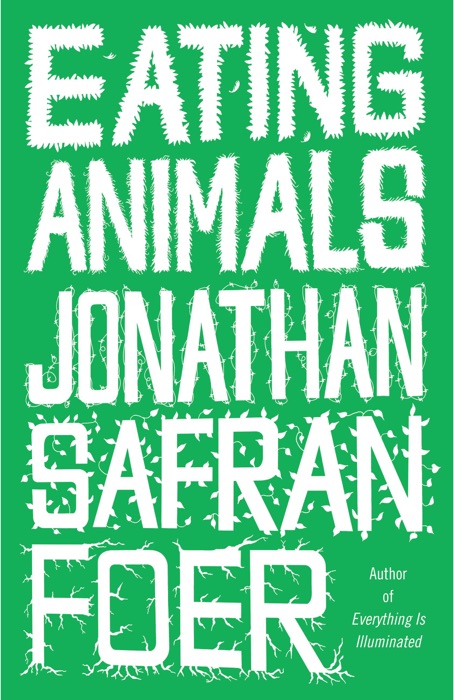
"Eating Animals is a thought-provoking and eye-opening exploration of the ethics and consequences of consuming meat. Foer's personal anecdotes, thorough research, and impassioned writing make this book an important read for anyone interested in understanding the impact of our food choices."
What Is the Book About?
"Eating Animals" is a non-fiction book that explores the ethical and environmental implications of consuming meat. The author, Jonathan Safran Foer, shares his personal journey of questioning the morality behind eating animals, as well as extensive research on factory farming and its impact on our planet. He raises thought-provoking questions about our society's relationship with food and challenges readers to consider the consequences of their dietary choices.
Foer's core message is that we should be more aware and intentional about what we eat. He argues that by choosing to consume meat from factory farms, we are not only contributing to animal cruelty but also harming the environment through pollution and deforestation. He encourages readers to take responsibility for their food choices and consider alternative ways of eating that are more sustainable for both animals and the planet.
What Makes This Book Different?
Eating Animals by Jonathan Safran Foer is a thought-provoking and eye-opening exploration of the ethical, environmental, and health implications of consuming meat. What sets this book apart from others in the same category is its unique blend of personal narrative, investigative journalism, and philosophical reflection. Unlike many books that simply argue for or against eating meat based on moral or scientific arguments, Eating Animals delves into the complexities and contradictions surrounding our food choices.
One aspect that makes this book stand out is Foer's use of personal anecdotes to illustrate his points. He shares intimate details about his own struggles with vegetarianism and his journey to understand where our food comes from. By weaving together these personal experiences with extensive research and interviews with experts in various fields, Foer creates a compelling narrative that engages readers emotionally as well as intellectually.
In addition to its engaging storytelling style, Eating Animals also stands out for its comprehensive examination of all aspects related to meat consumption. From factory farming practices to cultural attitudes towards eating animals, Foer leaves no stone unturned in his quest to uncover the truth behind our dietary habits. This thorough approach allows readers to gain a deeper understanding of the complex issues at play when it comes to choosing what we eat. Overall, Eating Animals offers a fresh perspective on an important topic while challenging readers' beliefs about their food choices.
Writing Style & Pacing
Eating Animals by Jonathan Safran Foer is a non-fiction book that explores the complex and controversial topic of factory farming and its impact on animals, our health, and the environment. The book is written in a conversational tone, with Foer sharing his personal experiences and reflections on his journey to understand where our food comes from.
The structure of the book is divided into three parts: "Factory," "Family," and "Beyond." In each section, Foer presents different perspectives on factory farming through interviews with farmers, activists, scientists, and his own family members. This structure allows for a well-rounded exploration of the issue from various angles.
Despite being a heavy subject matter, Eating Animals is not a slow read. Foer's writing style is engaging and thought-provoking, making it difficult to put down. He blends facts with personal anecdotes in a way that keeps readers invested in the narrative while also educating them about important issues surrounding our food choices. Overall, this book offers an eye-opening look at our current food system while challenging readers to consider their own role in it.
About the Author
Jonathan Safran Foer is a critically acclaimed American author who is best known for his novels "Everything Is Illuminated" and "Extremely Loud and Incredibly Close." He was born in Washington D.C. in 1977 and graduated from Princeton University with a degree in philosophy. Foer's writing has been praised for its complexity, emotional depth, and unique storytelling style.
In addition to being an accomplished novelist, Jonathan Safran Foer is also a committed vegetarian and environmental activist. His personal experiences with food production led him to write the non-fiction book "Eating Animals," which explores the ethical, environmental, and health implications of modern animal agriculture. Foer spent three years researching for this book, including visiting factory farms and slaughterhouses across the United States. This firsthand experience gives him a unique perspective on the subject matter that adds credibility to his arguments.
Furthermore, Foer's writing on the topic of food has been widely recognized as thought-provoking and impactful. In 2009, Time magazine named him one of the world's most influential people for his work on raising awareness about factory farming practices through "Eating Animals." The New York Times Book Review also praised it as an important contribution to discussions surrounding food ethics. With such recognition from both literary circles and mainstream media outlets, it is clear that Jonathan Safran Foer has established himself as a credible voice in advocating for more conscious eating habits through his powerful storytelling abilities.
Historical or Topical Context
Eating Animals is a book written by Jonathan Safran Foer that explores the complex and controversial topic of factory farming and its impact on animals, our health, and the environment. The story takes place in modern-day America, where industrialized agriculture has become the dominant way of producing food.
The setting of this book is primarily in rural areas where large-scale animal farms are located. These factory farms are often hidden from public view, making it difficult for consumers to fully understand how their food is produced. Foer also delves into urban settings, highlighting the disconnect between city dwellers and the sources of their food. This contrast between rural and urban environments emphasizes how disconnected we have become from our food system as a society.
Foer also brings attention to international locations such as China, where he investigates the growing demand for meat consumption and its effects on global markets. He highlights how these changes in diet have led to an increase in factory farming practices globally.
Overall, Eating Animals takes place within a contemporary context where issues surrounding industrialized agriculture are becoming increasingly relevant and pressing. The book sheds light on this important subject matter by exploring various settings that play a role in shaping our relationship with food production.
Most Powerful or Memorable Moments
1. Point 1: "We are not the only creatures on earth that love, grieve, or think." This quote from Foer's book highlights the idea that animals are not just mere objects for humans to consume, but rather living beings with their own emotions and thoughts.
2. Point 2: In one chapter, Foer visits a factory farm and describes in detail the horrific conditions and treatment of animals raised for food production. This scene is particularly impactful as it brings to light the reality of industrial farming practices and how they contribute to animal suffering.
3. Point 3: Another standout moment is when Foer discusses the environmental impact of factory farming and its contribution to climate change. He presents compelling evidence that our current meat consumption habits are unsustainable and damaging to our planet.
4. Point 4: The author also explores cultural attitudes towards eating animals in different parts of the world, highlighting how these beliefs often shape dietary choices and perpetuate harmful practices.
5.Point 5: One key insight from this book is that we have a choice in what we eat and can make conscious decisions about where our food comes from. By bringing awareness to issues surrounding animal agriculture, Foer encourages readers to consider more ethical alternatives such as plant-based diets or supporting sustainable farming methods.
Lessons or Takeaways
After reading Eating Animals, readers may learn about the ethical and environmental implications of eating meat. The author delves into the factory farming industry and exposes its cruel treatment of animals as well as its negative impact on the planet. Readers may feel a sense of guilt or responsibility for their own dietary choices and be motivated to make more conscious decisions when it comes to food consumption. They may also reflect on their cultural and societal norms surrounding meat-eating and question whether these practices are truly necessary or if there are alternative ways to sustain our diets without contributing to animal suffering.
Furthermore, this book can evoke strong emotions in readers such as empathy for the animals that are raised for human consumption. The vivid descriptions of their living conditions and treatment at factory farms can elicit feelings of sadness, anger, or disgust. Readers may also feel a sense of urgency to take action towards promoting more sustainable and humane practices in the food industry. This book encourages reflection on our relationship with food, not only from an individual standpoint but also in terms of how our food choices impact larger systems such as animal welfare, public health, and environmental sustainability.
Reader Reactions and Critical Acclaim
is a thought-provoking and eye-opening exploration of the ethics and consequences of consuming animal products. Many readers praise Foer's meticulous research and his ability to present complex issues in a compelling and accessible manner. The book has received widespread acclaim, with The New York Times calling it "a work of moral philosophy" and Time magazine naming it one of the 100 best books of the year.
One common sentiment among readers is that Eating Animals challenges them to question their own dietary choices and consider the impact that their food consumption has on animals, the environment, and their own health. Some have also praised Foer for not taking an overly preachy or judgmental tone, instead presenting information in a balanced way that allows readers to come to their own conclusions. Overall, Eating Animals is considered a must-read for anyone interested in ethical eating or environmentalism, with many reviewers stating that it has changed their perspective on food forever.
Who Is This Book For?
1. Ethical consumers: This book would appeal to readers who are interested in learning about the ethical implications of their food choices, particularly when it comes to eating meat. The author delves into the complex issues surrounding factory farming and its impact on animal welfare and the environment.
2. Food lovers: For those who enjoy reading about food and its cultural significance, this book offers a thought-provoking exploration of how our food choices shape our identity and values. The author shares personal anecdotes from his own experiences with food, making it relatable for readers who have a passion for all things culinary.
3. Environmentalists: With discussions on topics such as climate change, pollution, and sustainability, this book would resonate with readers who are concerned about the state of our planet and want to make more informed decisions when it comes to their diet.
4. Animal rights activists: As the title suggests, this book centers around animals and their treatment in industrialized agriculture systems. Readers who are passionate about animal rights will find this book compelling as it sheds light on the harsh realities of factory farming.
5. Health-conscious individuals: In addition to ethical concerns, this book also explores the health implications of consuming mass-produced meat products. It discusses the use of antibiotics and hormones in livestock production and how these practices can potentially harm human health. Therefore, readers interested in maintaining a healthy lifestyle may find value in reading Eating Animals.
Pros and Cons:
Pros:
1. Thought-Provoking Exploration of the Ethics of Eating Meat
One of the main strengths of this book is how it delves deeply into the complex ethical issues surrounding meat consumption. Foer presents a well-researched and nuanced examination of factory farming, animal welfare, environmental concerns, and health implications related to eating animals.
2. Personal and Emotional Storytelling
Foer weaves personal anecdotes throughout the book, sharing his own experiences with food and his journey towards vegetarianism. This adds an emotional depth to the subject matter and makes it more relatable for readers.
3. Wide Range of Perspectives
The author includes perspectives from various stakeholders in the meat industry – farmers, slaughterhouse workers, animal rights activists – providing a well-rounded view on all aspects of eating animals.
4. Engaging Writing Style
Foer's writing style is engaging and accessible, making this potentially heavy topic approachable for readers from all backgrounds. He uses humor and wit to keep readers engaged while tackling serious topics.
5. Calls for Action Without Being Preachy
While Foer clearly advocates for reducing or eliminating meat consumption, he does so without being overly preachy or judgmental towards those who continue to eat meat. He encourages individual action while also acknowledging systemic issues that need to be addressed on a larger scale.
Cons:
1. Overly graphic descriptions
One of the main criticisms of Eating Animals is that it contains overly graphic descriptions of animal cruelty and slaughter. While these descriptions are meant to shock readers into reconsidering their dietary choices, they can be difficult for some people to read and may even turn them away from the book altogether.
2. One-sided perspective
Some readers have also criticized Eating Animals for presenting a one-sided perspective on the issue of eating meat. The author, Jonathan Safran Foer, is a vegetarian and his personal views strongly influence the narrative of the book. Some critics argue that this limits the book's ability to present a balanced view on such a complex topic.
3. Lack of practical solutions
While Eating Animals highlights many problems with factory farming and industrialized agriculture, some readers have expressed disappointment in its lack of practical solutions or alternatives for those who still want to consume meat but do so ethically and sustainably.
4. Heavy reliance on emotional appeals
Another criticism is that Eating Animals relies heavily on emotional appeals rather than logical arguments or scientific evidence. While this approach may resonate with some readers, others may find it manipulative or unconvincing.
5. Limited focus on other aspects of food production
While Eating Animals primarily focuses on the ethical implications of consuming meat from factory farms, critics have noted that it neglects other important aspects of food production such as environmental impacts and worker exploitation in agriculture.
Final Thoughts:Should You Read It?
is a thought-provoking and eye-opening exploration of the ethics behind our food choices. Foer delves into the dark underbelly of factory farming and exposes the harsh realities that animals face in order for us to have meat on our plates. Through personal anecdotes, interviews with farmers, and extensive research, he challenges readers to question their own beliefs and habits when it comes to consuming animal products.
Overall, this book is a must-read for anyone interested in understanding the impact of their food choices on animals, the environment, and even themselves. It offers a well-rounded perspective that encourages critical thinking and self-reflection. While it may be difficult to confront some uncomfortable truths about our food system, Eating Animals ultimately leaves readers with hope and possibilities for creating positive change through conscious consumption. So if you're ready to challenge your perspectives and make more informed decisions about what you eat, then yes - you should definitely read this book.
Where to Buy?
Buy "Eating Animals" on Amazon
Buy Now